Imitation learning
A robot learns a task by copying demonstrations given by a human.
A person performs the task many times, usually through teleoperation, and the robot learns a mapping from what it sees to what the person did. For tasks such as loading a dishwasher it is often faster than writing rules by hand.
The limit is the demonstrations themselves. If the robot never saw a different cup, a different light or a different table height, it may fail there. When a vendor says a skill was learned from demonstrations, ask how many were recorded and in how many places.
Related terms
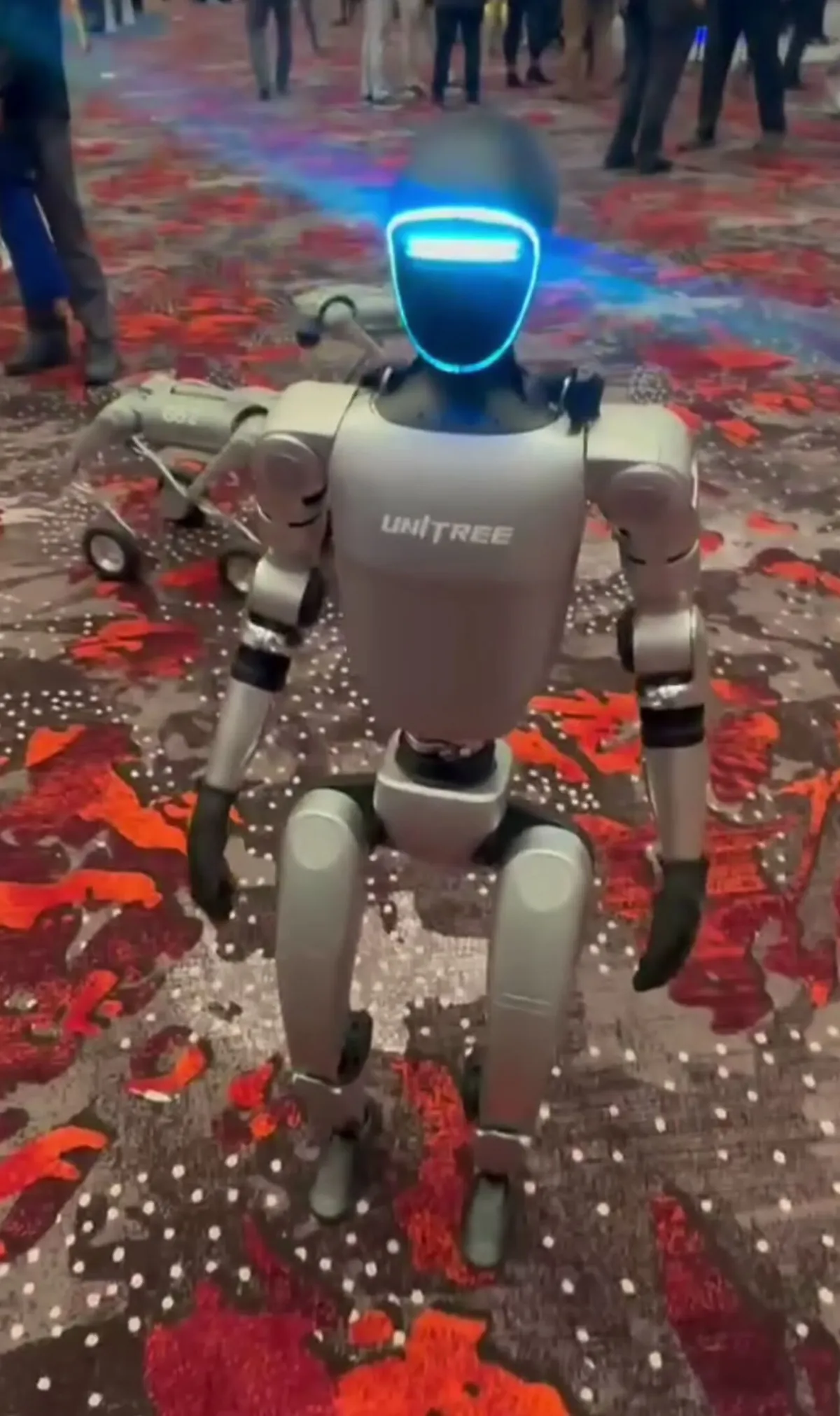 China
ChinaHumanoids & R&D
Unitree G1
Bipedal humanoid
Payload
2 kgRuntime
2 hSpeed
7.2 km/h$13,500 – $16,000price as of September 2026
On salePhoto coming soon
ChinaHumanoids & R&D
Unitree H1
Bipedal humanoid
Payload
7 kgRuntime
no dataSpeed
no data$90,000price as of September 2026
Made to orderPhoto coming soon
USAHumanoids & R&D
Figure 02
Bipedal humanoid
Payload
20 kgRuntime
5 hSpeed
3 km/hNot for sale, no price
Not for sale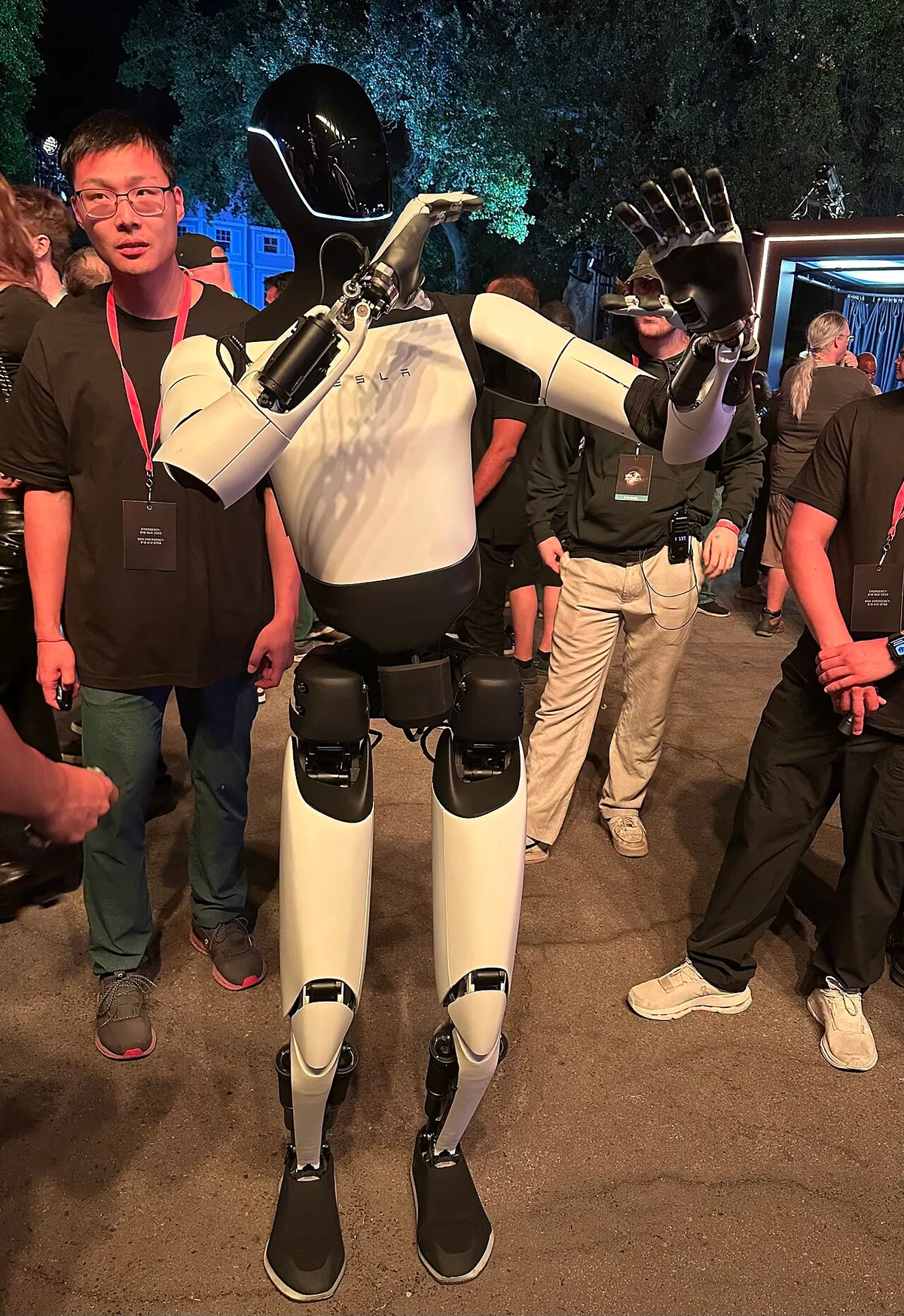 USA
USAHumanoids & R&D
Tesla Optimus
Bipedal humanoid
Payload
no dataRuntime
no dataSpeed
no dataNot for sale, no price
Not for sale