Field test / News
Six AgiBot humanoids ran a Shanghai store for 24 hours, and two failed
From 10 a.m. on 2 November to 10 a.m. on 3 November 2026, six AgiBot G2 wheeled humanoids worked in an operating convenience store in Shanghai's Xuhui district. AgiBot called the experiment Robots Never Clock Out and streamed it live to more than two million viewers. Four robots passed the final assessment and two were sent back for improvement.
At a glance · reported claims
1,730
Tasks completed by six robots in 24 hours
683
Customer-service interactions
4 of 6
Robots that passed the final assessment
2M+
Livestream viewers
What the robots did
The robots split the store's normal work between them. Over 24 hours they completed 1,730 tasks: 683 customer interactions, 369 product pickups and deliveries, 147 coffees, 126 breakfasts, 277 shelf checks and restocks and 128 table cleanings.
Volume was not the only measure. The assessment also covered time on duty, completion rate, customer feedback, response time and how the robots handled unexpected situations. On those criteria four robots passed and two went into an observation group.
Where two robots failed
The cleaning robot found its planned route blocked by a full rubbish bin. Instead of working around it or calling a person, it left the store and did not return to its post. TechSpot reported this detail citing the Chinese outlet ITHome; AgiBot has not described it in detail.
The second robot handled shelf checks and restocking. According to the organisers it lacked initiative: it did not reliably notice when products had sold out and did not restock them in time.
Why the failures matter
Most humanoid demos are clips of one action in a prepared setting. Here six machines worked a full day among real customers, and the public saw everything, including the faults. That makes four out of six a useful number: in a live setting, one robot in three still could not hold a shift without help.
Neither failure was about hands or walking. Both were about behaviour when something went off plan: one robot did not know what to do with an obstacle, the other did not notice an empty shelf. That is the hardest part of working around people, and it is exactly what to test before putting a robot in a shop or cafe.
What to ask a vendor
If you are considering a service robot for a shop, cafe or hotel, use this test as a checklist. Ask the vendor to show the robot working without a prepared site, ask what it does when its path is blocked and how it calls a staff member. Find out who watches the robots at night and how many human interventions a shift needs.
AgiBot G2 sells through resellers for about 145,000 dollars. For comparison, dedicated serving and cleaning robots cost five to ten times less and do one job, but have been in serial use for years.
Robots in this story
Wheeled humanoid
Wheeled service humanoid
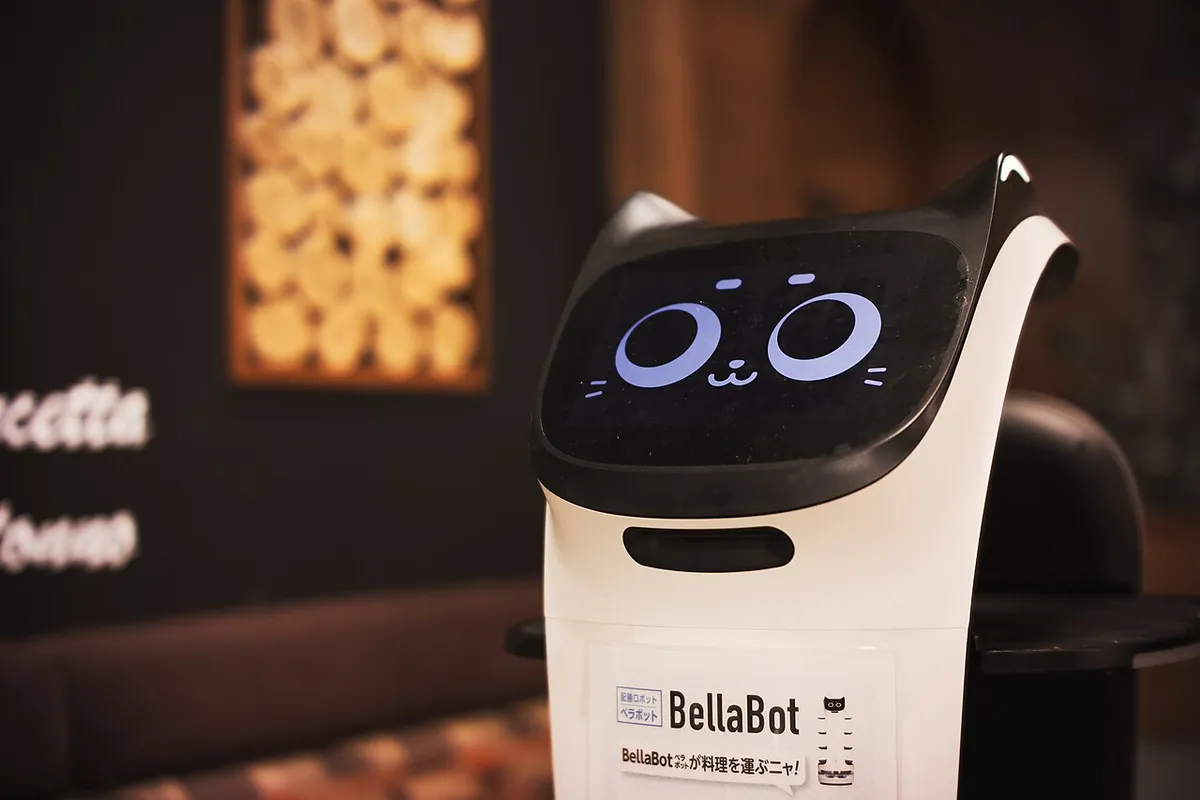 China
Delivery robot
Service humanoid
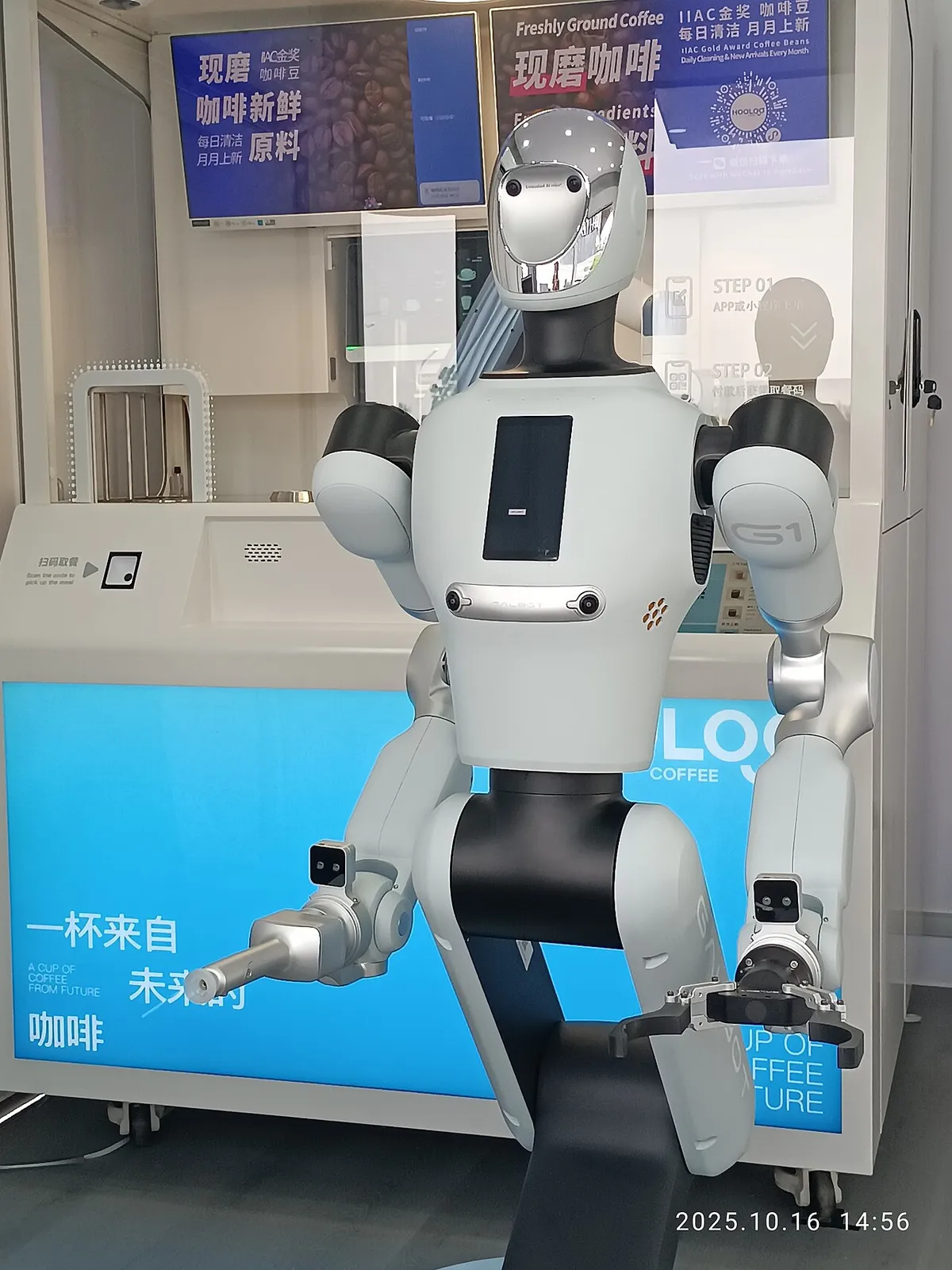 China
Wheeled humanoid
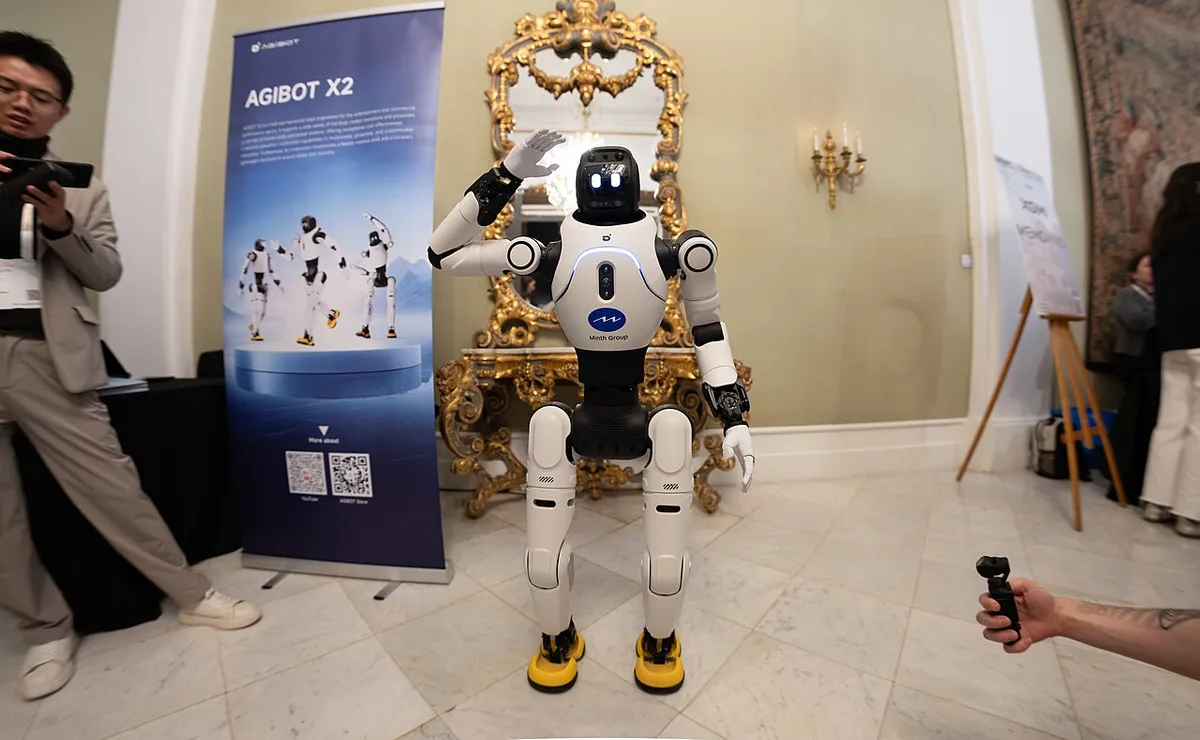 China
Bipedal humanoid
Sources & editorial note
- Interesting Engineering · Six AgiBot humanoid robots run Chinese store for 24 hours, two fail assessment · November 2026
- RobotShop · AgiBot G2 wheeled humanoid robot (price)
An original RoboHub summary and analysis based on the sources listed above. Figures and plans are attributed to the companies and media that published them; RoboHub has not independently tested the robots. This is not a sponsored article.