Guide / Buyer guides
Robots for shops and supermarkets: shelf scanning, cleaning and what the results look like
In a shop the robot that pays off is rarely the one that greets customers. It is the one that rolls down the aisles every night and tells staff what is missing or mispriced, and the one that scrubs the floor before opening. Here is what those robots do, what the published results say and where to be careful.
At a glance · reported claims
3,000+
Simbe shelf-scanning robots under contract (Sep 2026)
−92%
Pricing errors in the HomeBase pilot (vendor and retailer figure)
<1%
Out-of-stocks after rollout in the same chain
Which robots work in shops
Three kinds of robots have real use in retail. Shelf-scanning robots drive the aisles with cameras and report empty spots, wrong price tags and misplaced products. Floor scrubbers clean the sales floor, usually at night or early morning. Screen robots near the entrance greet customers and answer simple questions, which is the least proven of the three.
The biggest shelf-scanning vendor, Simbe, said in September 2026 that it had more than 3,000 Tally robots under contract with over 75 retail banners in nearly a dozen countries. It is also the first company to receive UL 3300 certification for a robot that works around the public, which matters for a store's insurer.
What the results look like
HomeBase USA, a home improvement chain, tested Tally in two stores for a year and then rolled it out to all nine stores in Texas, Wyoming, Kansas and Missouri in under three months. Simbe and the retailer report that pricing errors fell by 92%, controllable out-of-stocks by 58%, total out-of-stocks dropped below 1%, and the annual physical inventory shrank from three days to under one.
These numbers come from the vendor and its customer, not from an independent audit, and a small regional chain is not a large supermarket. Still, they show where the value is: fewer empty shelves and wrong prices, which customers notice, and less staff time spent counting.
How to judge a retail robot
Ask what the robot changes in the store's daily routine: who receives its reports, how fast empty spots get refilled, and whether the price tag fixes happen the same day. A scanning robot that produces reports nobody acts on saves nothing. Ask for the pricing model too; shelf scanning is usually sold as a subscription per store, and the contract should say what happens to your shelf data.
For cleaning robots the usual checklist applies: floor type, aisle width, how often the route changes with promotions and displays, and who empties and refills the machine. Start with one store and measure out-of-stocks, pricing errors and cleaning hours before and after.
Robots in this guide
Retail shelf-scanning robot
4-in-1 cleaning robot (sweep, scrub, vacuum, dust mop)
Multi-function cleaning robot (vacuum, scrub, dust mop)
 Israel
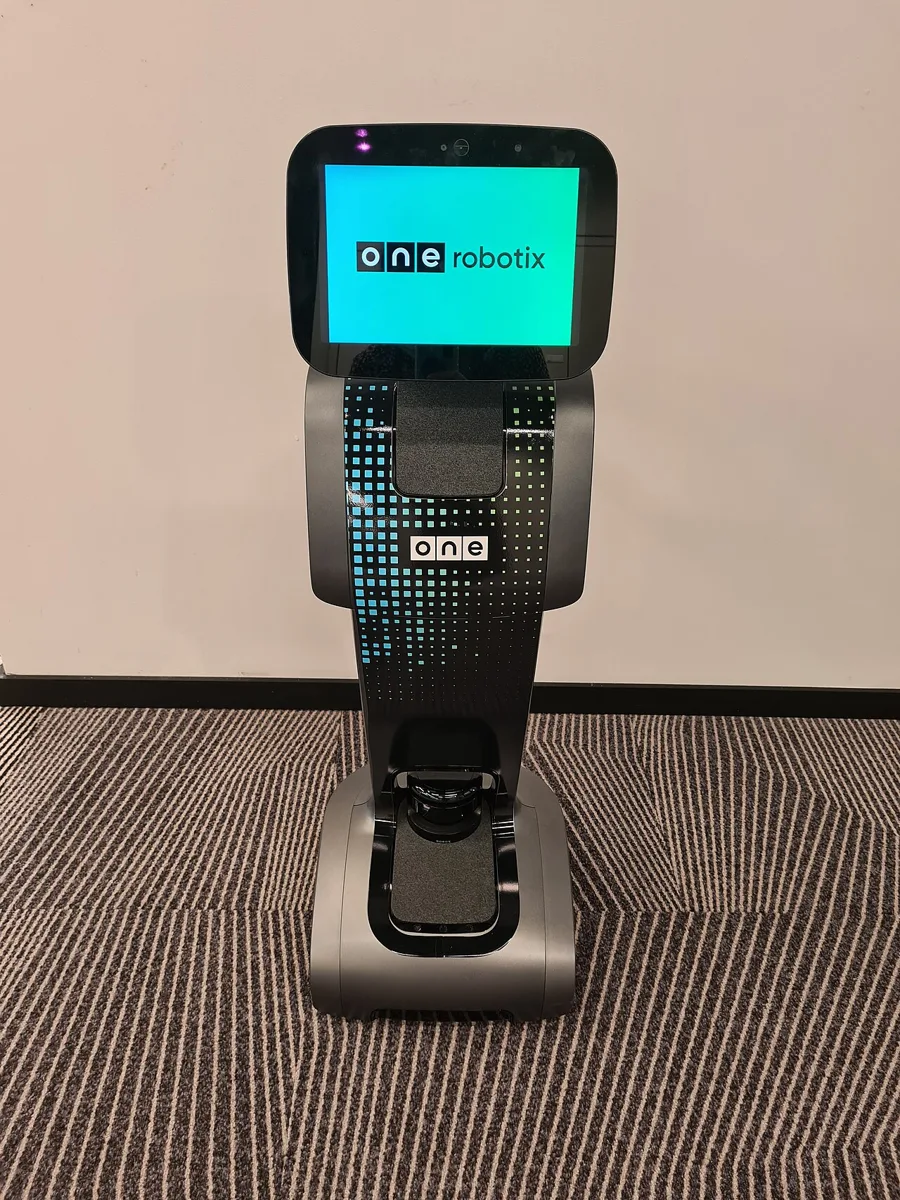
Personal and telepresence service robot
Frequently asked questions
+What robots are used in supermarkets?
Mainly shelf-scanning robots that report empty spots and wrong prices, floor-scrubbing robots, and some greeting robots near the entrance.
+Do shelf-scanning robots reduce out-of-stocks?
In the HomeBase USA pilot, Simbe and the retailer report controllable out-of-stocks down 58% and total out-of-stocks below 1%. These are vendor and customer figures, not an independent study.
+How are retail robots priced?
Shelf-scanning robots are usually sold as a subscription per store that includes the software and data; cleaning robots are bought, leased or rented monthly.
+Are greeting robots worth it for a shop?
They are the least proven use. They can draw attention at launches or in large stores, but there is little published evidence that they raise sales; shelf scanning and cleaning have clearer results.
Sources & editorial note
- The Shelby Report · Simbe surpasses 3,000 units in shelf intelligence fleet · 21 September 2026
- Chain Store Age · HomeBase USA rolls out inventory scanning robots following pilot
An original RoboHub summary and analysis based on the sources listed above. Figures and plans are attributed to the companies and media that published them; RoboHub has not independently tested the robots. This is not a sponsored article.